Latex bedding is valued for its resilient support and ability to respond to pressure without the slow contouring associated with memory foam pillows. Latex pillows can help maintain a steady sleeping position while allowing air to circulate through the material. Their feel and construction vary, so firmness, loft, and cover materials are useful comparison points.
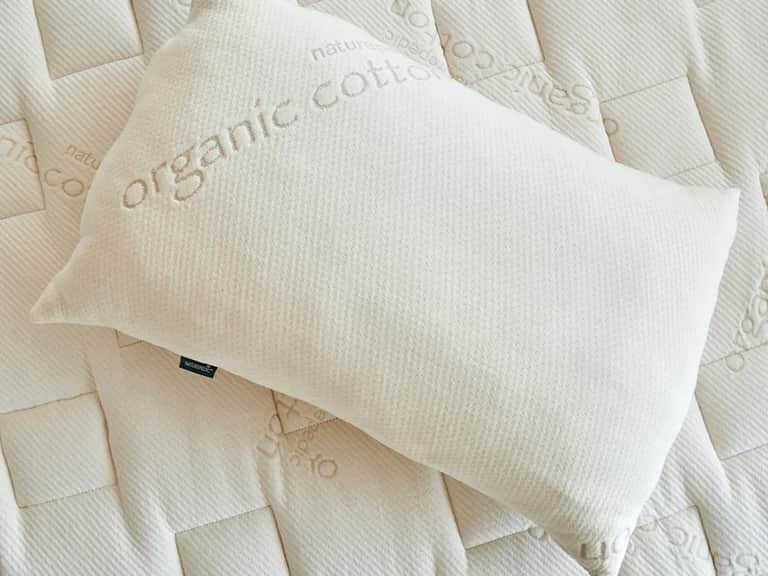
The Naturepedic Solid Organic Latex Pillow combines a solid latex core with an organic-material focus. Its responsive structure provides consistent support for the head and neck, while the latex’s natural elasticity allows it to recover its shape after use. Pillow height and sleeping position influence comfort, making fit an important consideration.
The Obasan Deluxe Organic Latex and Wool Pillow pairs an organic latex core with wool in its construction. Latex contributes buoyant support, while wool can help manage moisture and temperature within bedding. These material characteristics may suit sleepers seeking a natural-fiber alternative to conventional synthetic fills, though personal comfort depends on preferred firmness and warmth.
When comparing latex pillows, consider whether the design uses solid or shredded latex, the pillow’s loft, and the materials in its cover or surrounding layers. Organic certifications and care instructions can clarify how products are made and maintained. Coordinating pillow materials with sheets and other bedding can also support a consistent sleep environment.
Latex pillows are one part of a broader bedding system that may include organic mattresses and sheets made from natural fibers. Unlike memory foam pillows, latex generally feels more buoyant and recovers its shape readily. Understanding these differences helps identify which support style, material composition, and temperature characteristics align with individual sleep needs.
 Bedding
