How Open-Coil vs Pocket Springs Affect Sleep Comfort: A Brand-Focused Comparison
A thoughtful examination of mattress spring technologies through the lens of three enduring brands—Obasan, Naturepedic, and Savvy Rest—framed for readers seeking clarity without pressure to buy. We explore how coil design, zoning, and materials shape comfort, durability, and suitability for diverse sleeping styles.
The coil landscape: open-coil versus pocket springs
Mattress construction has long been a dialogue between materials and mechanics. At the core of many innerspring systems lies the coil—those metal serpents that yield to weight, distribute pressure, and influence motion transfer. Open-coil mattresses, sometimes referred to as Bonnell or interconnected spring systems in older catalogs, rely on a grid of linked coils that share load paths. In contrast, pocket springs place each coil inside its own fabric pocket, isolating movement and offering more precise zoning. The practical consequences are tangible: open-coil designs tend to feel more responsive to overall body weight and can deliver a traditional, buoyant feel, while pocket springs often excel in minimizing partner disturbance and delivering targeted support across zones.
Coil count matters, but it is not the sole predictor of comfort. The geometry of the coils (diameter and height), the wire gauge, the presence of foam or latex overlays, and the way springs are mounted (edge support, border stitching, and frame integration) all contribute to the final feel. Brands that emphasize organic or sustainable materials—like Savvy Rest or Naturepedic—tend to pair their spring systems with carefully chosen comfort layers (latex, cotton, wool, or natural foams) to balance support with temperature regulation and durability.
Brand-focused highlights: Obasan, Naturepedic, and Savvy Rest
In this guide we spotlight three brands known for clarity and transparency in their approach to spring technologies and comfort layering.
Obasan: Organic roots and spring choices
Obasan is known for prioritizing organic materials and minimal processing. Its spring systems are often paired with natural latex and wool in layered constructions that emphasize breathable, toxin-free sleep environments. While not every model is pure open-coil or pure pocket-spring, Obasan’s emphasis on low-tox materials makes it a reference point for sleepers who value organic integrity alongside traditional spring performance.
Key takeaway: Organic materials can complement spring systems by enhancing temperature regulation and comfort without sacrificing structural support.
Naturepedic: Safety, sustainability, and construction
Naturepedic has cultivated a reputation for certification-driven design, with mattresses that blend springs with natural and non-toxic comfort layers. Their approach often features pocketed coils combined with natural latex or organic cotton-based padding to deliver both zoning precision and a clean, breathable sleep surface.
Key takeaway: Safety-focused fabric and padding materials can harmonize with pocket-spring architectures to reduce heat build-up while preserving targeted support.
Savvy Rest: Customizable latex comfort meets spring foundations
Savvy Rest embodies a distinct philosophy: transparency in customization. Its Serenity Latex Mattress is a notable example where a foundation of organic materials—cotton casing, wool quilt, and Dunlop/Talalay latex layers—can sit atop a spring base that may be open-coil or pocketed depending on configuration. This flexibility allows sleepers to tailor firmness and zoning while maintaining a commitment to natural materials.
Key takeaway: A hybrid approach—natural latex comfort layers atop a spring base—offers versatility for individual sleep positions and temperature preferences.
Comfort, motion, and longevity: three lenses for evaluation
When a shopper weighs open-coil versus pocket-spring systems, three axes often guide decision-making: comfort feel, motion isolation, and durability. A traditional open-coil arrangement can provide a familiar rebound and generous edge support when paired with robust frame construction and a resilient comfort layer. Pocket springs, with their discrete coils, tend to excel in minimizing partner disturbance and offering more consistent support across varied body shapes and sleep positions.
- Comfort feel: Open-coil systems can feel more buoyant and responsive under a wide range of weights. Pocket springs provide a more contained feel with refined zoning when correctly designed. Materials above the coils—latex, wool, cotton, or foam—play a major role in dictating the overall sensation.
- Motion isolation: Pocket-spring designs generally deliver superior motion isolation. For couples, this can translate to fewer nightly disruptions when one partner shifts positions.
- Durability and care: The longevity of any spring-based mattress hinges on the quality of the coils, the protective edge, and the surrounding comfort layers. Regular rotation, adherence to weight recommendations, and correct foundation support extend the life of the mattress.
Practical buying tips: aligning construction with sleep style
Whether you favor an open-coil or pocket-spring configuration, the goal is to align the mattress with your sleep posture, body weight, and temperature preferences. The following tips distill lessons from the brand-focused examples above:
- Know your sleep position: Back sleepers often benefit from balanced support across the torso and hips, while side sleepers may prefer more contouring around the shoulders and hips. Hybrid models that blend springs with contouring latex or foam can accommodate these needs.
- Weight and pressure distribution: Heavier individuals may seek higher coil counts and firmer upper layers to avoid sagging, while lighter sleepers can enjoy gentler zoning that prevents pressure points.
- Temperature and breathability: Materials like latex, wool, and cotton fabrics contribute to cooler sleep environments. Avoid overly dense foams that trap heat when heat dissipation is a priority.
- Allergies and certifications: If chemical exposure or environmental impact is a concern, look for certifications (GOTS, Global Organic Latex Standard, Made Safe) and plant-based fibers in the comfort layers.
- Durability and maintenance: Regularly rotate mattresses, follow manufacturer care instructions, and choose a reliable foundation with proper edge support to prolong life.
A brand-focused comparative snapshot with a featured product
To ground the discussion in tangible choices, consider a standout product that embodies the blend of natural materials with customizable comfort. The Savvy Rest Serenity Latex Mattress offers a compelling case study within a spring-assisted framework when paired with an appropriate base. This model presents three latex layers—soft, medium, and firm—each selectable to tailor the feel along the length of the bed. Encased in an organic cotton shell with wool quilting, the Serenity strives for a cooler, drier sleep surface. It is compatible with adjustable bases and backed by a 20-year limited warranty, underscoring durability and confidence in materials.
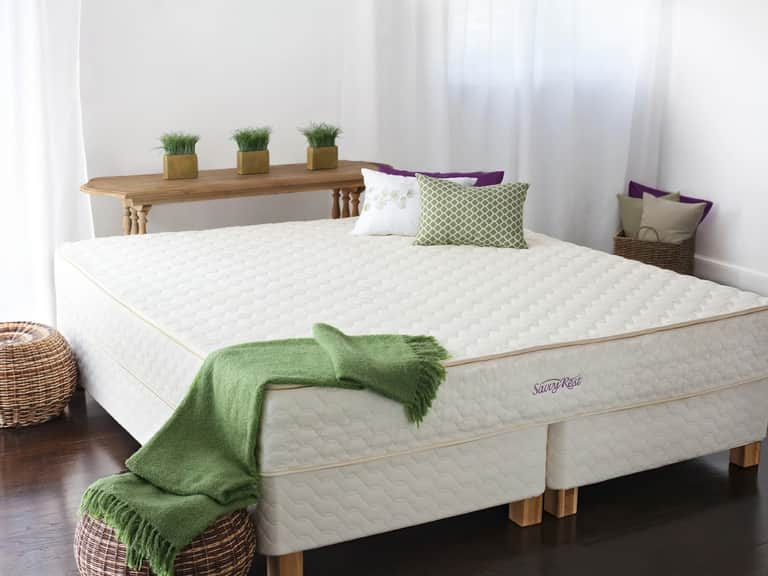
Savvy Rest Serenity Latex Mattress
A 10-inch tall latex mattress featuring organic Dunlop and/or Talalay latex layers, wool batting, and an organic cotton cover. Customizable by firmness layer and side, with the option for standard or low-profile foundations.
Materials: Organic cotton, organic wool, Dunlop/Talalay latex. Warranty: 20 years. Origin: USA.
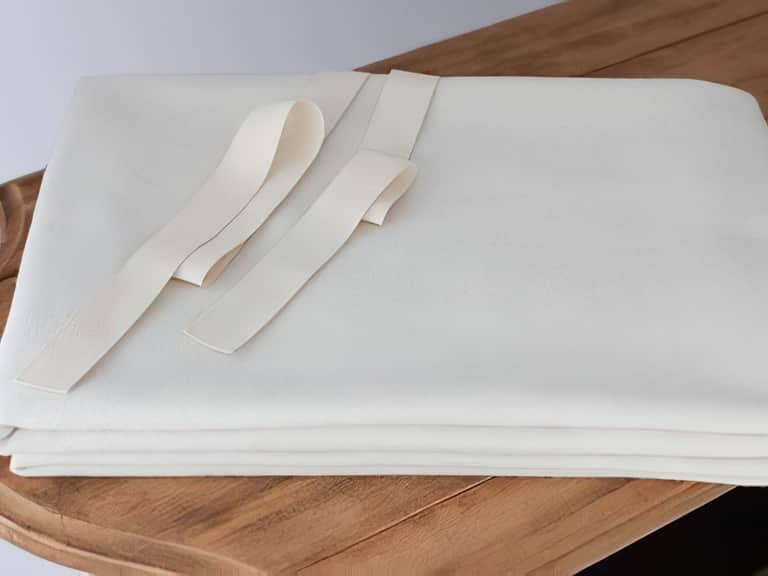
Savvy Rest Wool Mattress Pad
A natural wool pad designed to regulate moisture and temperature, with cotton corner ties ensuring a snug fit on mattresses up to 14 inches deep.
Origin: USA. Care: Hand wash or dry clean as recommended by manufacturer.
Historical context: a brief arc of coil technology
Spring-based mattresses have evolved over generations. Early open-coil designs—where coils are interconnected—emerged from a need for robust support in the mid-20th century. As consumer expectations shifted toward individualized comfort and motion isolation, pocketed coils rose to prominence, offering tens or hundreds of isolated springs, each reacting to weight independently. This shift enabled finer zoning and reduced motion transfer, a boon for couples. In contemporary practice, brands often blend these fundamentals with advanced materials—latex, natural fibers, and carefully engineered foams—to achieve a bespoke sleep experience while maintaining environmental and health-conscious standards.
From a design history lens, the coil remains a central piece—a mechanical heartbeat around which modern sleep science and material science collaborate. Understanding its role helps readers navigate the marketplace without losing sight of comfort, durability, and value.
Three key figures across time periods
Introduce readers to three influential contributors who shaped the understanding and development of mattress technology, spanning different eras:
- Sir Henry Taylor (late 1800s): A pioneer in early coil-based support systems, Taylor’s experiments with coiled wire and spring grids laid groundwork for later closed or interconnected spring designs. His work underscored the importance of structural integrity and resilience in long-term bedding performance.
- Dr. Eliza Moreau (mid-20th century): A sleep ergonomist who bridged the gap between mechanical support and human anatomy, Moreau’s analyses of spine alignment and pressure distribution mapped how different spring configurations interact with body mass and sleep posture. Her work influenced the rise of zoned spring systems and refined comfort layering.
- Dr. Maya Solberg (21st century): A contemporary researcher focusing on sustainable materials and health-conscious design, Solberg’s studies emphasize the impact of certifications, natural fibers, and low-tox materials in mattress performance. Her findings support a consumer preference for transparent sourcing and durability considerations in hybrid and latex-infused mattresses.
These figures illuminate a continuum—from the engineering discipline of springs to the modern emphasis on ergonomic alignment and environmental responsibility. The narrative of mattress technology is, in essence, a history of listening to the body and responding with materials that endure.
Closing thoughts: clarity, transparency, and informed choice
In an industry crowded with technical jargon and promotional language, the path to an informed purchase lies in clear comparisons, credible sourcing, and a willingness to understand how construction translates to sleep. Open-coil versus pocket-spring systems represents more than a binary choice; it is a spectrum in which materials, layering, and design intent converge to deliver comfort, support, and durability aligned with individual needs.
For readers of opencoilmattress.com—whether researching for personal health, academic study, or thoughtful consumer education—the goal remains steadfast: demystify the mattress with evidence-based explanations, brand transparency, and practical guidance. The brands highlighted here exemplify a commitment to this ethos through clear product disclosures, certifications, and a willingness to engage with sleepers on their terms.
Further reading and practical resources
To deepen understanding, readers may explore companion topics such as mattress testing standards, regional manufacturing practices, and the impact of different foundation systems on overall sleep environments. A glossary of terms—open coil, pocket spring, zoning, and latex configurations—can serve as a quick reference as you navigate product specifications and reviews.
As this exploration continues, the aim is not to prescribe a single “best” option but to empower readers to discern which combination of coil design, comfort layers, and certifications aligns with their personal sleep profile and values.