 Mattresses
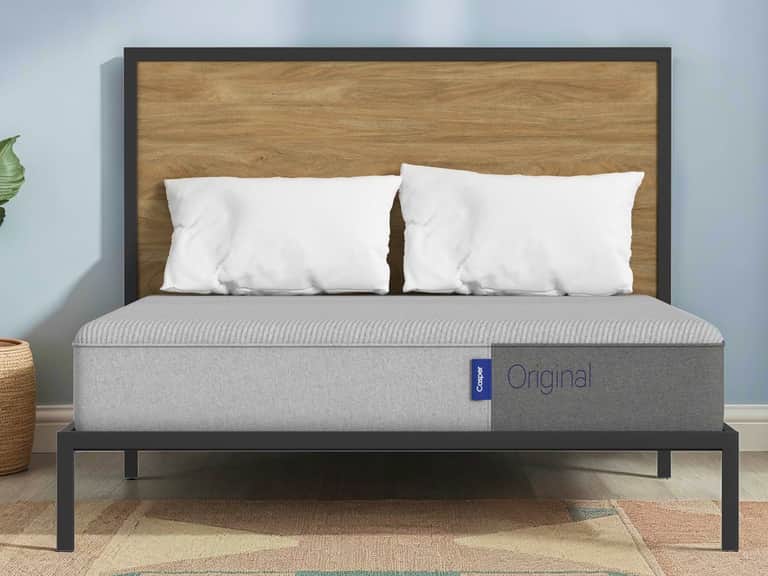
Original Mattress
Sleep cooler and cradled by responsive foam that moves with you, while three ergonomic zones keep your spine aligned and balanced from top to base for steady, peaceful support all night.
Foam mattresses are constructed with layers of polyurethane or memory foam designed to provide contouring support, pressure relief, and motion isolation. This category highlights core foam technologies, including polyurethane, memory foam, and plant-based variants, that adapt to body shape while maintaining durability. Understanding foam densities helps buyers compare comfort levels and long-term performance for varied sleeping styles.
Key features of foam mattresses include zoned support, open-cell construction for breathability, and density ranges that balance contouring with spinal alignment. Memory foam pillows and latex alternatives often complement these beds, while compatibility with bed frames and toppers enhances overall sleep ergonomics. Knowledge of heat retention and moisture management aids in choosing an appropriate model.
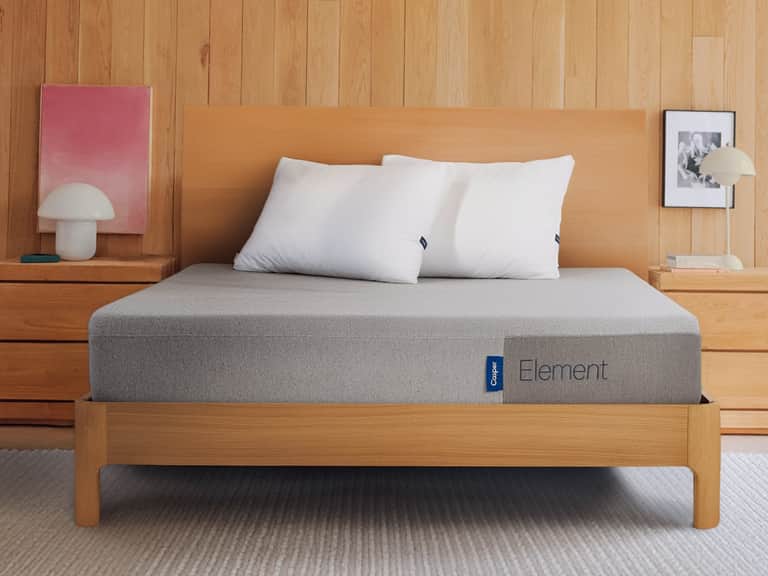
In the foam mattress category, the Element Mattress exemplifies core design principles such as medium to high density foam layers, pressure-distributing foams, and durable edge support. Users may experience distinct benefits like reduced motion transfer, stable transitional firmness, and improved spinal alignment aligned with sleeping positions and body weight distribution.
Practical considerations for selecting a foam mattress include firmness level, thickness, cover materials, and the presence of antimicrobial or cooling technologies. Many foam beds pair with memory foam pillows or latex sheets to create a balanced sleep environment, addressing temperature regulation and softness across different sleeping zones and preferences.
Educational resources within this category explain how foam composition influences longevity, heat management, and maintenance. By comparing the Element Mattress specifications—such as foam density, layer configuration, and warranty terms—readers can assess suitability for back, side, or combination sleepers while considering overall comfort and functional benefits.
Mattresses
 Mattresses